4515Q
Is comhpháirt athsholáthair ardfheidhmíochta préimhe é 4515Q A91 3222 S1293 American Brake Shoes a innealtóireacht go cúramach le húsáid i gcórais ...
See Details



When a heavy-duty fleet manager sends out a brake disc replacement quote, the spec sheet typically lists three material options: grey cast iron, carbon ceramic, and a bi-metallic composite. The first answer most buyers need is not which one is the most advanced, but which one will be the most cost-effective over 500,000 kilometres. For almost all commercial vehicle applications, grey cast iron is still that answer, while exotic materials are reserved for specific weight or thermal demands.
Choosing the wrong material does not only affect braking distance. It changes wear rates, maintenance intervals, and the friction partner you must spec alongside it. For a fleet running heavy loads in mountain passes, a carbon ceramic rotor may seem tempting, but the total cost and the need for a dedicated pad compound usually push the decision back toward cast iron. The key is understanding why each material exists and what it actually delivers in your real operating environment.
A disc's job is to absorb and dissipate the kinetic energy generated by the friction pads. When the material cannot reject heat quickly enough, the friction coefficient drops and you feel brake fade. The physics is covered in our technical article on how 23K FF brake linings convert kinetic energy into heat.
This is why material choice is not just a metallurgical exercise. It is a safety and cost decision that reaches into every component in the braking system. The rotor has to withstand repeated thermal cycling, mechanical stress, and exposure to road salt, rain, and brake dust. The disc material also directly influences the service life of the friction pad, which is a major part of the total brake maintenance budget.
Grey cast iron remains the default for heavy commercial vehicles. It has a graphite-laminate microstructure that gives it excellent damping and thermal conductivity, usually around 50 W/m·K. A high carbon content helps it store heat without cracking. For trucks and trailers, this means consistent braking performance under normal load, predictable wear, and a per-disc cost that is one-fifth or less of a ceramic rotor. However, it is heavy and can develop surface microcracks if repeatedly subjected to extreme thermal shocks.
Carbon ceramic discs are built from a carbon-fibre matrix infiltrated with silicon carbide. They offer roughly 50 percent lower mass than cast iron and handle very high surface temperatures with almost no thermal deformation. The trade-off is price and a poor cold-performance window. In highway trucks, the only practical case is when unsprung weight reduction is critical, such as in some high-performance or specialty vehicles. For general fleet service, the higher initial cost and the need for dedicated pads make it a niche choice.
Bi-metallic designs usually combine a cast iron bell and a separate friction ring made from stainless steel or another alloy. The idea is to retain the good friction properties of iron while cutting weight or adding corrosion resistance. These discs can be useful in regions with heavy road salt, but they are generally more expensive and may have a different wear profile than plain cast iron. If you are comparing replacement options, ask exactly which alloy the friction ring uses, because that determines pad compatibility.
| Property | Grey Cast Iron | Carbon Ceramic | Bi-Metallic Composite |
|---|---|---|---|
| Density | ~7.0 g/cm³ | ~2.1 g/cm³ | Lower than cast iron (depends on design) |
| Thermal Conductivity | Good (~50 W/m·K) | Low | Varies by ring material |
| Max Surface Temp | ~600°C practical | Greater than 1000°C | Higher than cast iron |
| Wear Profile | Predictable, moderate | Low wear for a given pad, but pad costs more | Moderate |
| Approx Cost per Axle | Low | Very high | Medium to high |
The table clarifies why cast iron remains the production choice for most OEs and aftermarket fleets. The interesting insight is on cost per axle: ceramic discs can cost several times more than cast iron per rotor, and the matching pads are also more expensive. That cost difference is hard to justify in a fleet where the brake system is often shared across multiple trailer types.
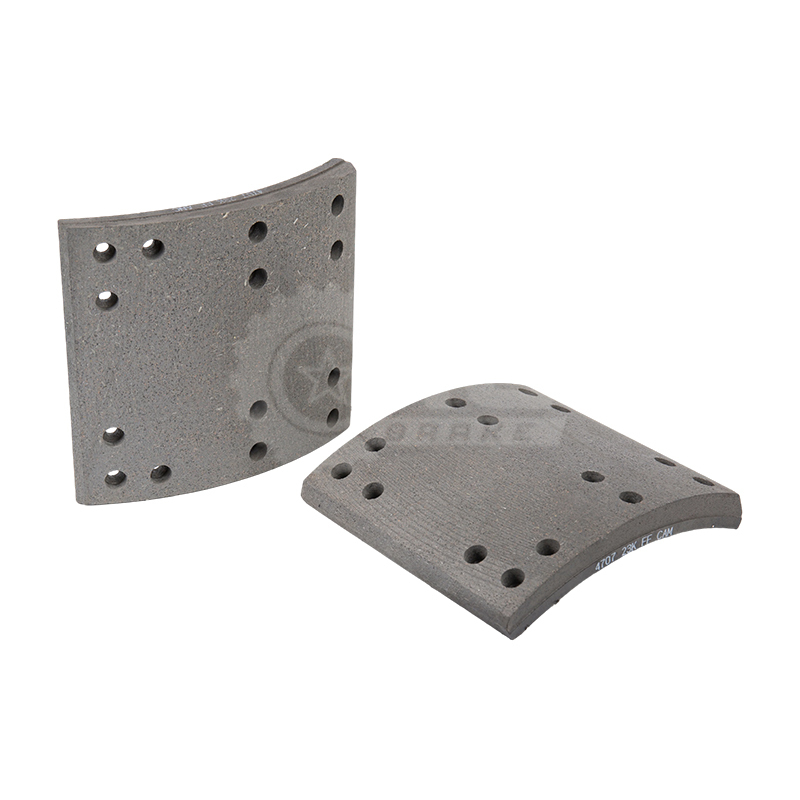 4707 American Heavy-Duty Brake Linings for Meritor Axles Designed for Meritor axle systems and meeting FMSI 4707 and WVA 19030 specs, these linings deliver consistent friction and fade resistance, making them a cost-effective choice for fleets seeking reliable braking without premium ceramic pricing. View Product →
 Even the best brake disc material cannot overcome a mismatched friction partner. In heavy-duty braking, the pad compound's friction coefficient, hot performance, and wear rate must match the disc's material and finish. For example, the 23K FF friction grade is widely used in commercial linings, and it is tested against a specific disc surface. If you replace a cast iron rotor with a stainless steel surface and keep the same pad, you may see different cold braking feel and more scoring.
For fleets using American or European brake shoe systems, the lined assemblies often come with pre-adjusted friction materials. Choosing the correct friction grade for your operating region is as important as choosing the rotor. A brake shoe or lining that is not compatible with the disc alloy can reduce brake torque, increase dust, and shorten both component lives.
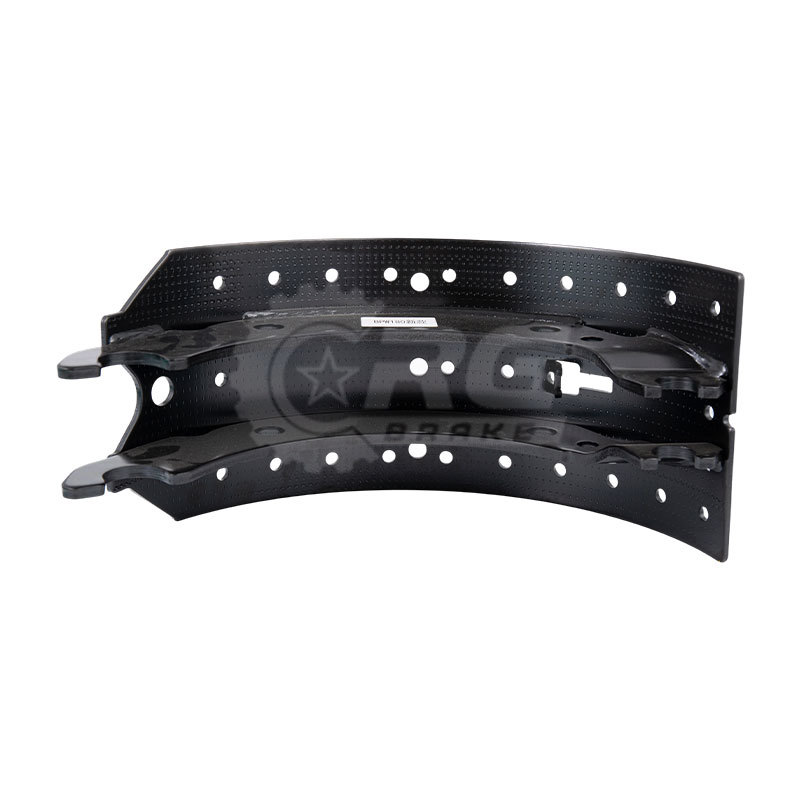 BPW180 European Brake Shoes for BPW Axle Systems This 420×180mm brake shoe integrates with BPW axles, offering wear resistance and thermal stability. It suits long-haul and urban routes, reducing downtime and maintenance for European brake shoe systems. View Product →
 When you deal with a factory that understands both the drum and pad side of the braking system, you get better answers about compatibility. This is important for fleets that maintain older trailers or European brake shoe systems. A lined brake shoe assembly can save installation time, but the hardware and lining must be correctly specified for the operating conditions.
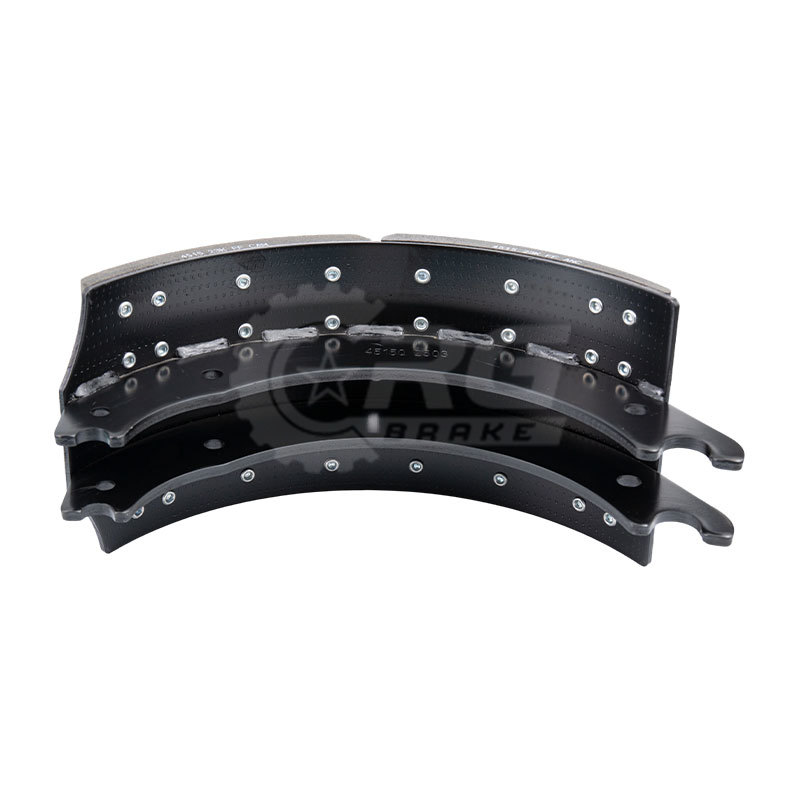 4515Q Lined Brake Shoes for Heavy-Duty Vehicle Applications Standard 16.5x7-inch lined brake shoes with premium friction lining, compatible with many assemblies. They provide responsive braking and durability for trucks and buses, helping lower cost per kilometer with consistent performance. View Product →
 If your fleet operates on paved highways with standard loads and your goal is lowest cost per kilometre, grey cast iron remains the safest choice. Consider carbon ceramic only where weight reduction is provably worth the price. In every case, the disc material is one half of a friction pair, and the lining material or brake shoe assembly you install will determine how that disc performs in service.
That is why many commercial fleets also invest in the friction side of the brake, not just the rotor. Working with a supplier who knows the full braking component stack up can save you from expensive troubleshooting later. To learn more about our approach to braking safety, visit our company page .
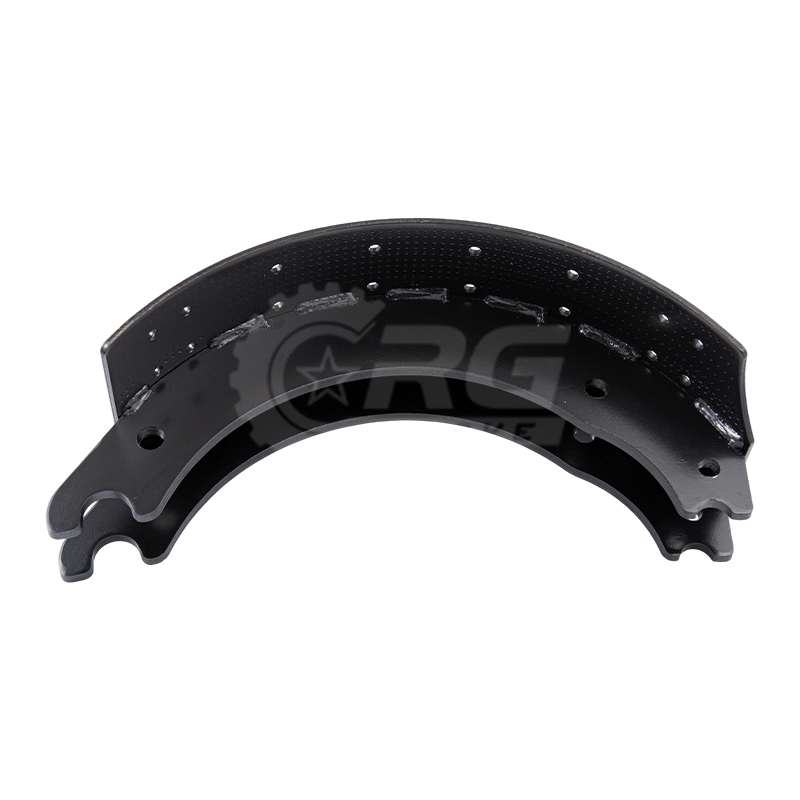
Is comhpháirt athsholáthair ardfheidhmíochta préimhe é 4515Q A91 3222 S1293 American Brake Shoes a innealtóireacht go cúramach le húsáid i gcórais ...
See Details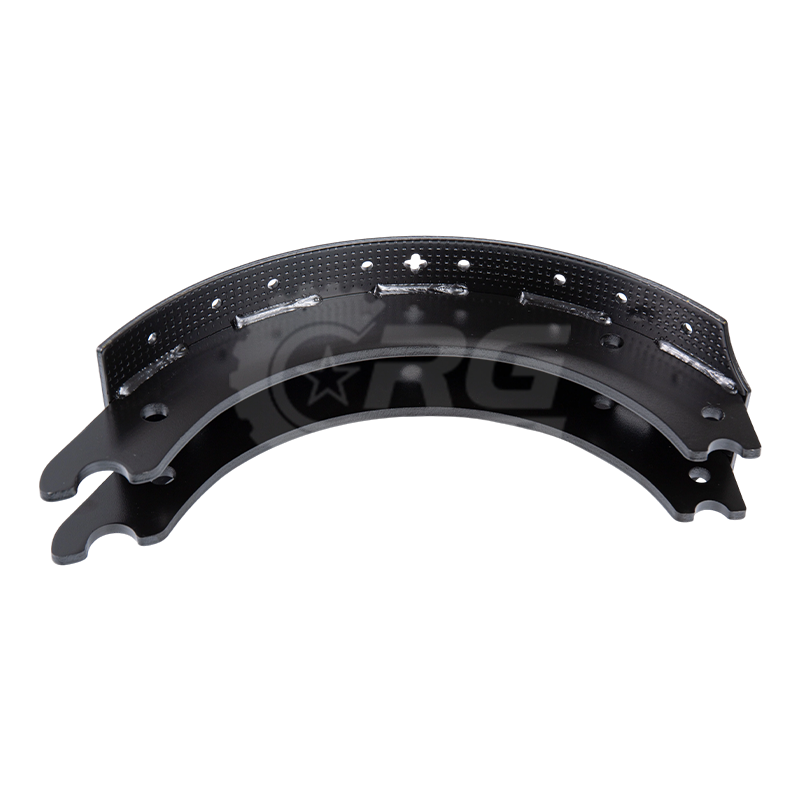
Is comhpháirt tromshaothair ardfheidhmíochta é an CA33 A 3222FM61 Bróga Coscáin Meiriceánach a innealtóireacht go sonrach chun freastal ar éilimh d...
See Details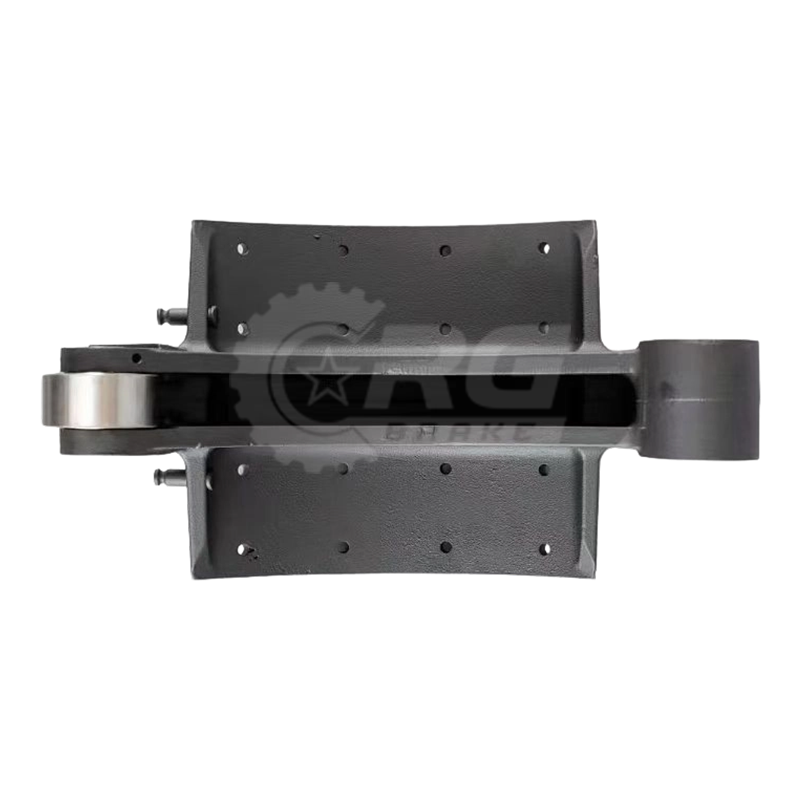
Is comhpháirt coscánaithe ardfheidhmíochta de ghrád préimhe é an SC254 1104545 Cast Coscáin Bróga a innealtóireacht go cúramach le haghaidh feithic...
See Details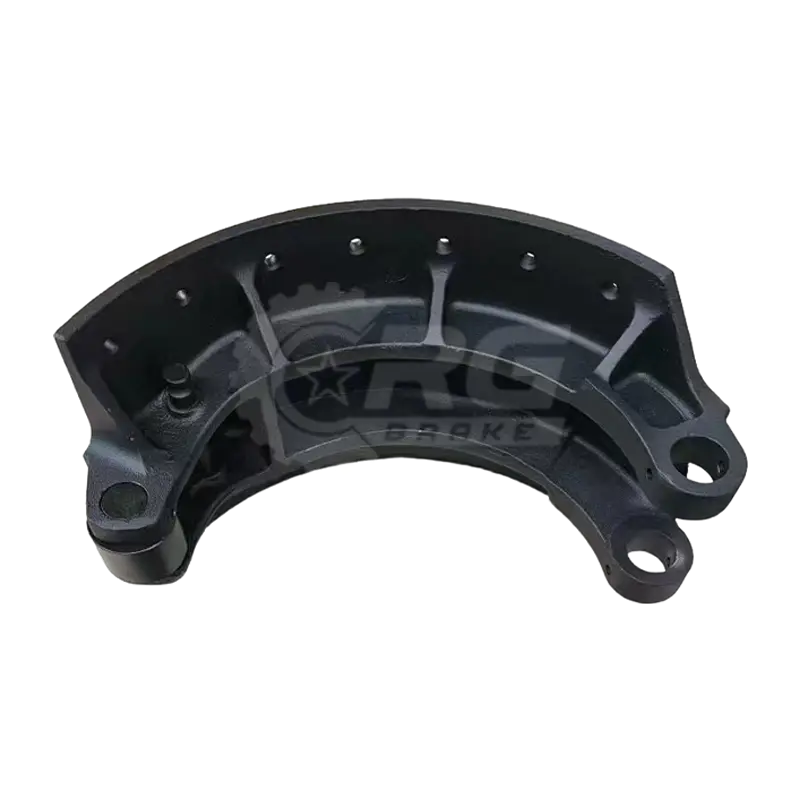
Tá na Bróga Coscáin Teilgthe VOLVO200 1137701, le toise 410 × 200 mm, deartha go cúramach chun riachtanais éilitheacha feidhmíochta agus sábháiltea...
See Details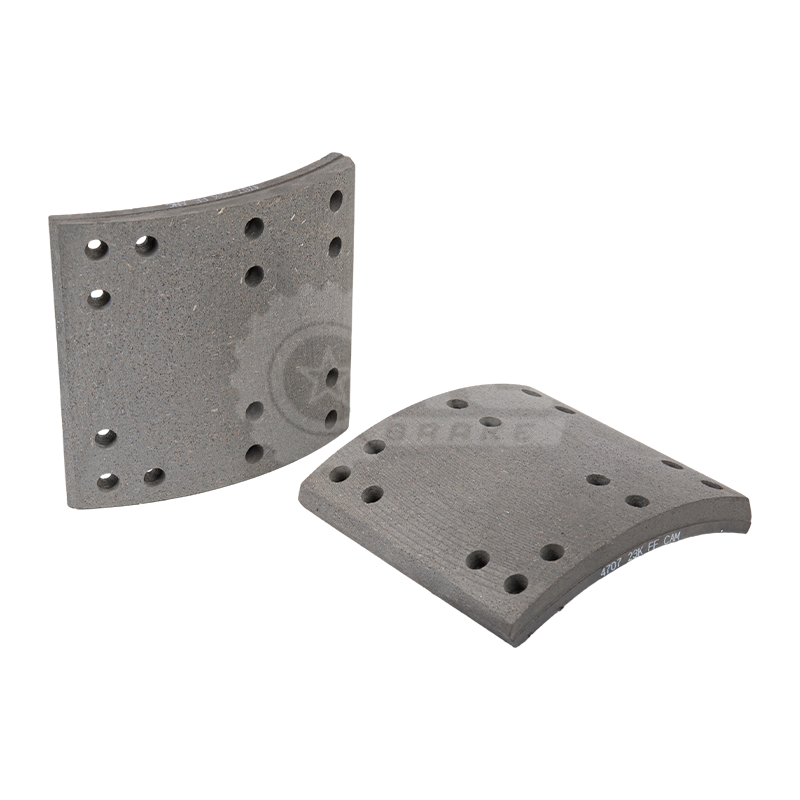
Déantar na 4707 Líneáil Coscáin Meiriceánach a innealtóireacht chun sárfheidhmíocht coscánaithe a sheachadadh, atá deartha go sonrach chun dianéili...
See Details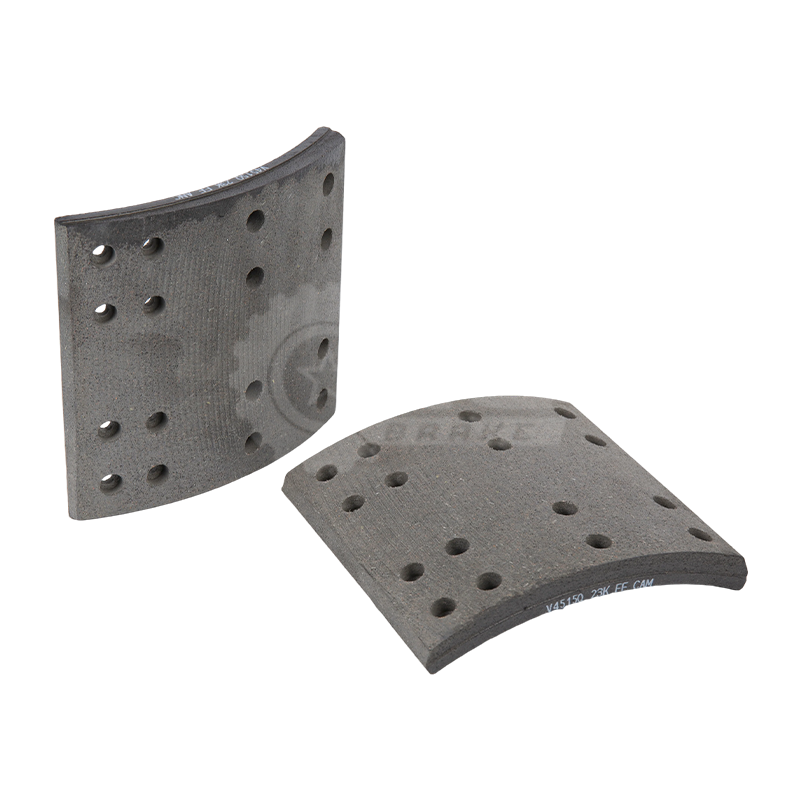
Tá an bróg coscáin 4515 American Brake Linings deartha le toise caighdeánach 16.5" x 7", a aithnítear go forleathan mar mhéid optamach do go leor c...
See Details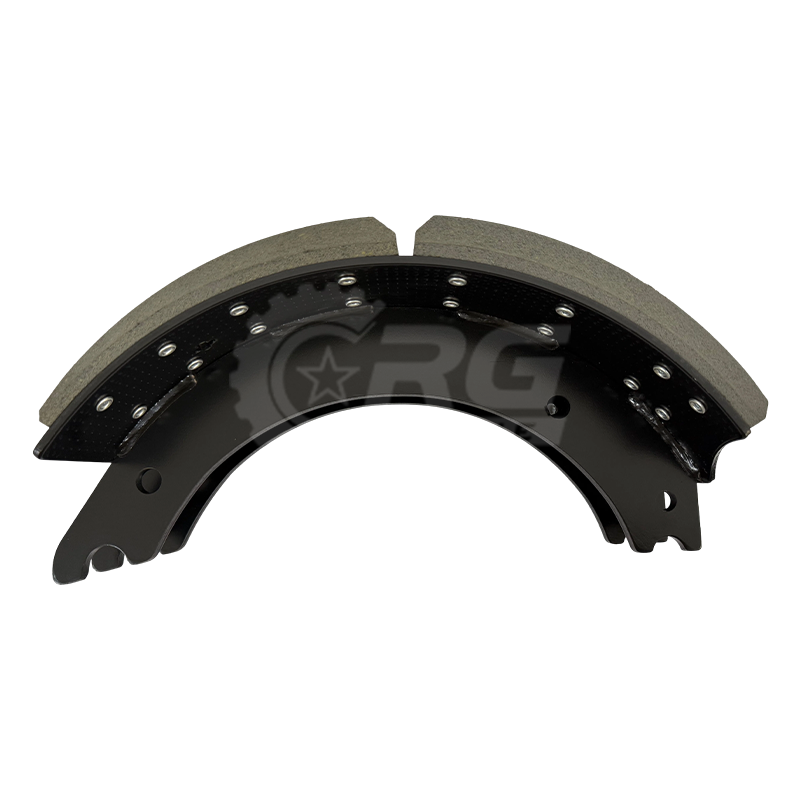
Déantar na Bróga Coscáin Línte 4718Q A3222 J2272 a innealtóireacht go cúramach chun marthanacht eisceachtúil agus feidhmíocht níos fearr a thairisc...
See Details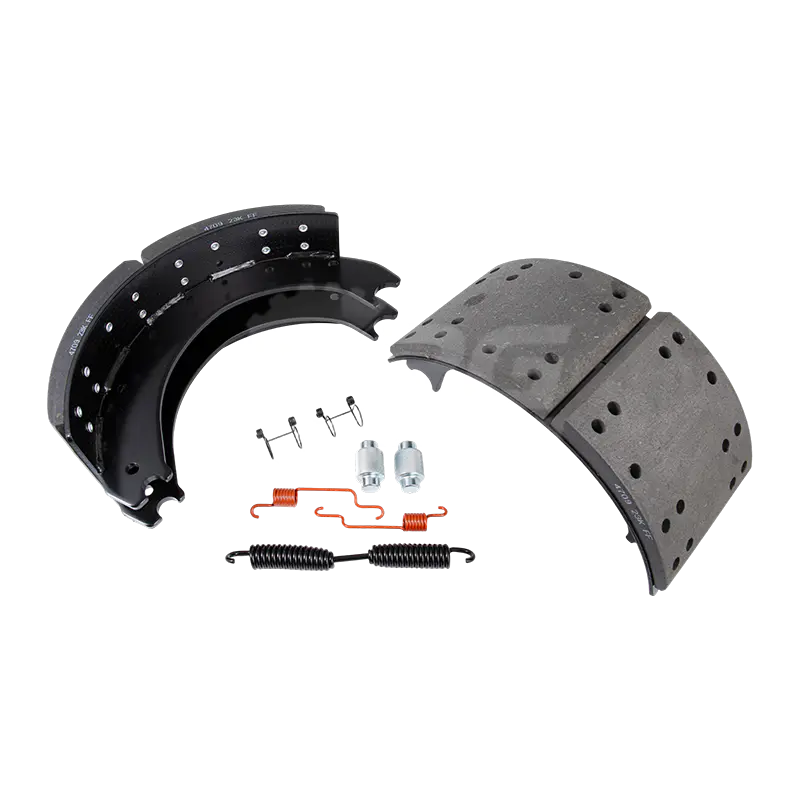
Tomhaiseann na Bróga Coscáin Línte seo le Feisteáin Crua-earraí 4709ES2 EATON 819707 16.5 orlach le 7 n-orlach, a innealtóireacht go sonrach chun f...
See Details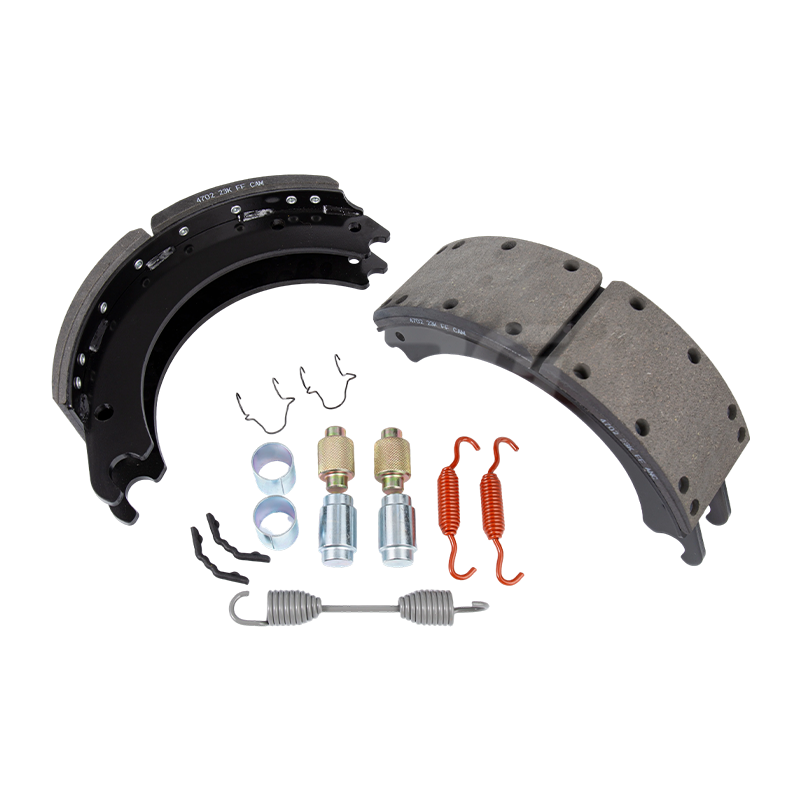
Déantar na Bróga Coscáin Línte 4702Q A3222 M2223 le Feisteáin Crua-earraí le Feisteáin Crua-earraí, a thomhasann 15 orlach ag 4 orlach, a innealtói...
See Details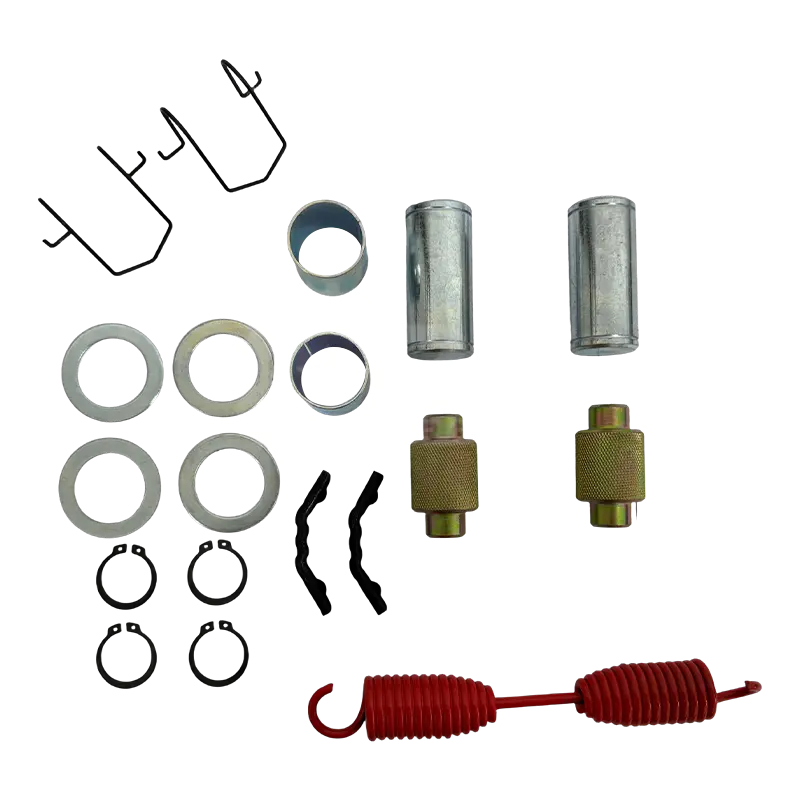
Is éard atá i BPW NEW Coscáin Deisiúchán Kit ná réiteach crua-earraí cruinneas-innealtóireacht den scoth atá deartha go sonrach chun feithiclí trác...
See DetailsFaigh Meastachán Saor (Saincheaptha).

derek@crgbrake.com
vicky@crgbrake.com

 ÁR Táirge
Cad is Nuacht
Cóipcheart © Zhejiang Courage Auto Parts Co., Ltd. All Rights
Curtha in áirithe
 Feithiclí Tráchtála Déantóirí Páirteanna Coscáin CRG